There are seasons of life when you realize you’re exhausted, not because you’re doing too much, but because you’re trying to manage what you were never meant to control: other people’s reactions, choices, moods, opinions, and timelines.
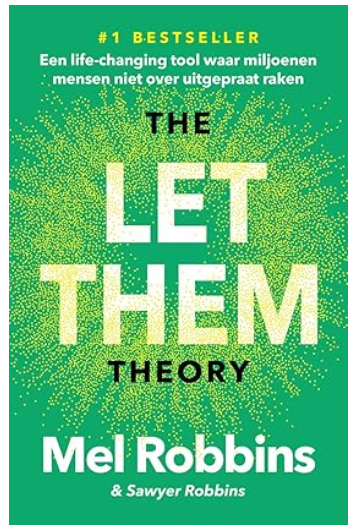
That’s precisely why I picked up Mel Robbins’ The Let Them Theory: A Life-Changing Tool That Millions of People Can’t Stop Talking About (Hay House, 2024).
At its heart, the “Let Them” idea is deceptively simple: when other people do what people do, let them. And then (this is the part that deepens the concept) pivot to “Let Me”, as in, let me choose my response, my boundaries, my next right step. Robbins frames this as a practical tool to stop bleeding energy into things you can’t control and start investing in what you can.
Why this book resonated with me (and might resonate with you)
As a counselor, I’m constantly thinking about regulation, agency, and the difference between what we can influence and what we cannot. And as a human, especially one juggling responsibilities and relationships, I’ve also felt the pull to over-explain, over-function, and over-rescue.
This book puts language to something many of us already know but struggle to practice:
Acceptance is not approval.
Letting people be who they are isn’t the same as agreeing with them; it’s recognizing reality so you can respond with wisdom rather than reactivity. (Robbins, 2024)
The two-part framework: “Let Them” and “Let Me.”
One reason The Let Them Theory has become such a cultural catchphrase is that it’s easy to remember. But it’s not meant to be passive.
1) “Let Them.”
- Let them be disappointed.
- Let them misunderstand you.
- Let them have their opinions.
- Let them make choices you wouldn’t make.
This isn’t about being indifferent to stepping out of the emotional tug-of-war. You stop trying to control the uncontrollable. (Robbins, 2024)
2) “Let Me.”
This is where your power returns.
- Let me decide what I’ll tolerate.
- Let me respond instead of reacting.
- Let me protect my peace.
- Let me move forward even without everyone’s approval.
This “Let Me” piece is what turns a catchy phrase into a genuine boundary practice: you’re no longer waiting for people to change so you can feel okay, you’re choosing your next step now.
What “Let Them” looks like in real life
Here are a few grounded examples that felt especially relevant:
When someone is distant or inconsistent:
Instead of replaying every interaction, texting paragraphs, or trying to “fix it,” you practice:
Let them.
And then:
Let me choose what I need: clarity, distance, or a direct conversation. (Robbins, 2024)
When someone doesn’t like you (or misreads you):
This one stings. But the book’s message is freeing:
Let them have their story.
And then:
Let me stay anchored in who I am, not whom they say I am. (Robbins, 2024)
When life feels unfair or out of your hands:
You can’t control outcomes, timing, or other people’s choices. But you can control your values, routines, support system, and how you care for yourself. The book returns to this idea repeatedly: your life improves when your energy stops leaking into battles you can’t win. (Robbins, 2024)
A gentle caution: “Let Them” is not a blank check for harm
One crucial nuance I want to add (especially for my readers who are caretakers, helpers, or healing from complex relationships):
“Let them” does not mean you stay in unsafe situations.
Acceptance doesn’t require access.
In practice, “Let Them” can strengthen boundaries by helping you stop negotiating with reality. If someone repeatedly disrespects you, the point isn’t to “make them understand.” It’s to see the pattern clearly and decide what you will do next. (Robbins, 2024)
Try this: a 60-second “Let Them / Let Me” reset.
The next time you feel triggered, stuck, or pulled into someone else’s emotions, try:
- Name what you’re trying to control.
“I’m trying to control how they see me / what they decide / whether they approve.” - Say it plainly:
“Let them.” - Pivot to agency:
“Let me…”- “Let me calm my body first.”
- “Let me speak clearly and briefly.”
- “Let me step back and protect my time.”
- “Let me move forward.”
Minor, repeatable resets like this are the kind of thing that changes your days, not just your mindset. (Robbins, 2024)
My personal takeaway
If I had to sum up what this book gives, it’s this:
Peace doesn’t come from finally managing everyone well enough.
Peace comes from releasing the impossible job of controlling people and returning to your own choices with clarity and compassion.
That shift alone can change how you show up in parenting, partnerships, friendships, workplaces, and even your relationship with yourself.
References
Robbins, M., & Robbins, S. (2024). The Let Them Theory: A life-changing tool that millions of people can’t stop talking about. Hay House LLC. (Optional context sources—if you want to include “cultural impact” framing in your newsletter)
Berlatsky, N. (2025, August 30). “The Let Them Theory” started as self-help. Now it’s a whole lifestyle—the Washington Post.
Parker, L. (2025). Is the viral “let them” the
 Pages for Peace of Mind
Leave a comment